
SaaS Success Secrets: From Startup to $169M Exit
In this interview, Ryan Allis breaks down the decisions that matter most when building a SaaS company for scale and exit—from bootstrapping and outbound to unit economics and building a business that runs without the founder.

When the team at Optimist Legal interviewed me, we didn’t just talk about tactics or growth hacks. We talked about the decisions founders make early—often quietly—that determine whether they end up with a nice lifestyle business… or a company that actually exits at scale.
I’ve been on both sides of that journey. As the co-founder and CEO of iContact, I helped grow the company to $50M in ARR before we sold it for $169M. Today, I spend most of my time working with SaaS founders who want to build something durable, scalable, and ultimately sellable. And the patterns are incredibly consistent.
Here’s what I’ve learned.
Decide What Game You’re Playing
This is where most founders lose years without realizing it.
You can build a calm, profitable SaaS that throws off cash and gives you freedom. That’s a great outcome. But it’s a different game than building a company that can sell for $100M+.
An exit-ready business isn’t optimized for founder comfort. It’s optimized for durability and transferability.
A lifestyle business optimizes for freedom and cash flow.
An exit-ready business optimizes for building a machine that keeps growing even when you’re not in the room.
If you want a real exit, your job stops being “do everything well” and starts being “build a system that doesn’t need me.” That one mental shift changes how you hire, how you market, how you raise capital, and how you spend your time.
Bootstrap Early to Build Leverage
I’m not anti-VC. I raised venture capital at iContact. But I am very pro-leverage.
At iContact, we bootstrapped early. We focused on getting real customers and real revenue before raising. That meant when we did bring in capital, we weren’t fundraising out of desperation—we were fundraising to accelerate something that already worked.
Bootstrapping early forces discipline. You learn your unit economics faster. You make better product decisions. And you keep more control.
If I had to give a simple benchmark: get to meaningful ARR—ideally $500K to $1M—before raising if you can. That puts you in a much stronger position when outside money enters the picture.
The Two Mistakes I See Over and Over
After working with hundreds of SaaS founders, two mistakes show up constantly.
The first is under-investing in UI, UX, and onboarding. Founders tell themselves they’ll fix it later. But friction compounds. Poor onboarding drives churn, increases support load, and slows expansion—and those problems get harder to unwind as you scale.
The second mistake is avoiding outbound.
Hope is not a growth strategy.
Too many teams build a solid product and wait for inbound demand to magically appear. Predictable growth comes from proactively creating pipeline. Outbound, when done thoughtfully, gives you control. It turns growth into a system instead of a guessing game.
Unit Economics Are the Foundation
If you want a big exit, your metrics have to make a buyer feel safe.
That means knowing your LTV, CAC, churn, payback period, and margins—not just reporting them, but using them to make decisions.
When you know your numbers cold, you can scale like an adult. You know what you can spend, where to double down, and what to cut.
At iContact, this mattered enormously. In our final year before the acquisition, we spent roughly $20M on sales and marketing, generated about $50M in revenue, and sold the company for $169M. That didn’t happen by accident. It happened because the math worked.
Outbound, Ads, and Education Work Best Together
One of the biggest lessons I’ve learned is that growth channels don’t work in isolation.
Outbound isn’t just about booking meetings. Paid ads aren’t just about clicks. Content isn’t just thought leadership. They reinforce each other.
The real goal is omnipresence within your ICP. When prospects see your emails, your ads, and your content repeatedly—without it feeling spammy—you stop being a stranger. You become familiar. And familiarity dramatically shortens sales cycles.
Education is a huge part of this. Education is demand creation. When you consistently teach your market—through content, emails, or webinars—you reduce friction and make the buying decision feel obvious.
Build a Company That Runs Without You
This is the part founders resist the most—and where exits are won or lost.
Buyers don’t pay top dollar for founder heroics. They pay for systems.
Here’s a simple gut-check I use: if I disappeared for 30 days, would the company still hit its numbers? If the answer is no, the business is still too dependent on the founder.
That means hiring real leaders, documenting processes, and giving up control earlier than feels comfortable. But that discomfort is the price of building something that’s actually transferable.
The Long Game
There’s no single hack behind a $169M SaaS exit.
The reality is much less glamorous: clarity of intent, disciplined unit economics, proactive growth, continuous market education, and systems that scale beyond the founder.
Do the fundamentals extremely well, for long enough, and the outcome starts to look inevitable.
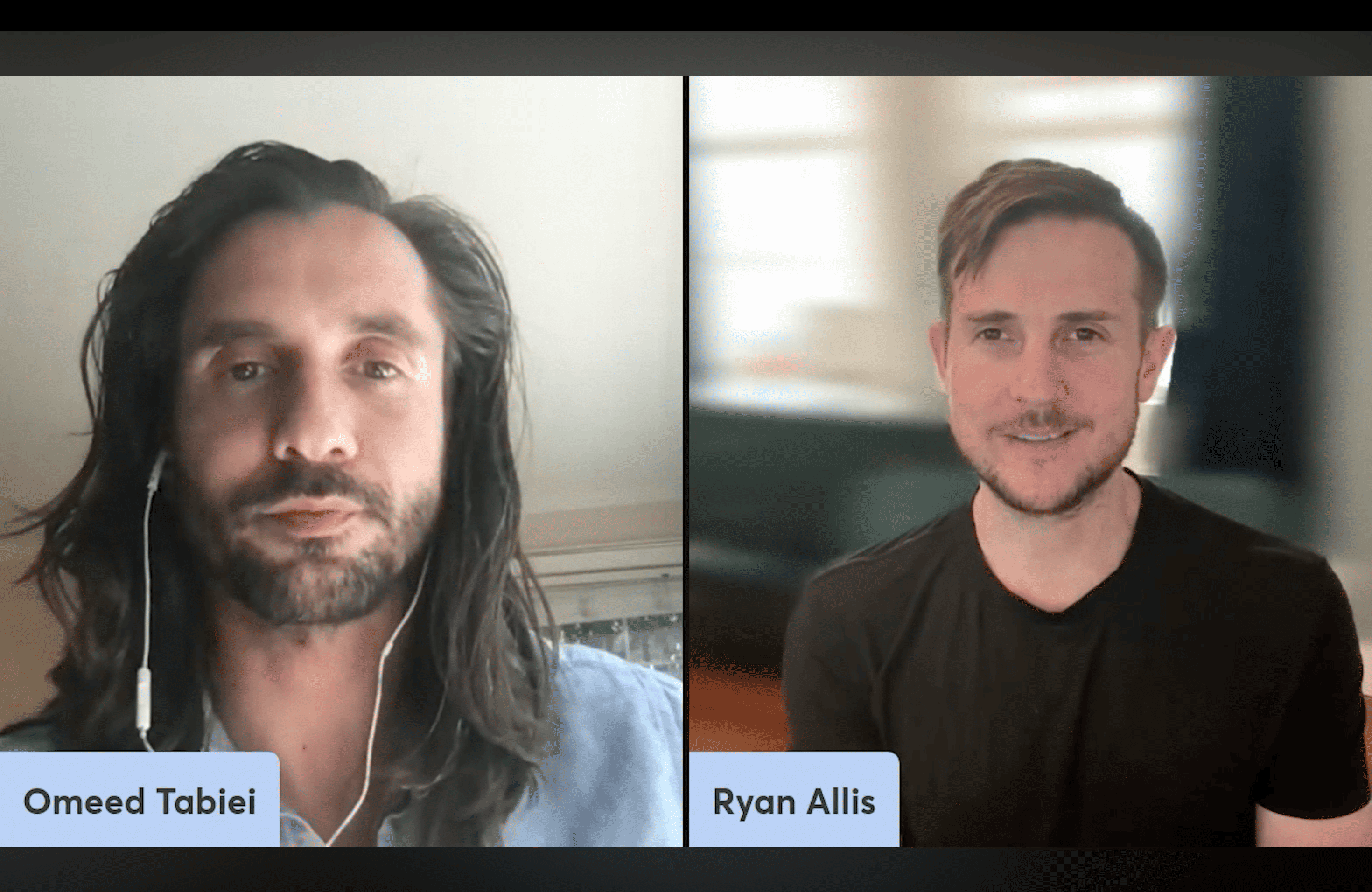
Thank you to Optimist Legal SaaS Startup Lawyer and Omeed for interviewing me and for the thoughtful conversation around what it really takes to build—and exit—a great SaaS company.