

AI Coding & AI Design in 2026: How to Re-Build Your Existing SaaS App with AI
If you’re a SaaS founder in 2026 and you’re still thinking about software development the same way you did in 2019—roadmaps, sprint planning, design handoffs, months-long rebuilds—you’re already behind.

Not because your team isn’t good.
Not because you picked the wrong stack.
But because the physics of software development have changed.
Over the last year, I’ve watched founders quietly rebuild entire SaaS platforms, eliminate massive technical debt, and ship internal tools that would’ve cost $20k–$100k… in weeks. Sometimes days. Often without traditional dev teams. Sometimes with just one developer. Sometimes with none.
This isn’t theory. This is happening right now.
One very real example is Pulse.bot, an AI-coded technology news curation platform I’m building. Pulse is a production system—real users, real traffic, tens of thousands of SEO-driven pages, real operational complexity. And it’s being built almost entirely with AI, using Claude Code as the primary development engine, with one human developer helping execute and review.
No massive team. No six-month rewrite. No traditional “replatforming” project.
That experience—building Pulse this way—is what finally convinced me that this shift isn’t incremental. It’s permanent.
The Mental Shift: From “Managing Development” to “Building Again”
For most founders, especially non-technical ones, software development slowly became something you manage, not something you do.
You spec. You review. You prioritize. You wait. AI flips that completely.
The biggest unlock isn’t speed—it’s agency. You can go back to building. You can scratch your own itch. You can prototype the thing your team keeps saying is “on the roadmap.”
That shift alone is worth millions.
One SaasRise member described it in a way I haven’t been able to unhear since:
“Vibe coding is 3D printing for the web. You can actually build apps—it is phenomenal what you can build with Claude Code. I built a sales commissions tool that connects to HubSpot and Stripe. That probably would have been $20,000, but I built it in a month.”
That wasn’t a demo. It replaced a real internal workflow.
And that’s the pattern I keep seeing: founders using AI not to replace teams, but to eliminate waiting.
Claude Code: The Rebuild Machine
If there’s one tool that consistently comes up when founders talk about rebuilding serious software, it’s Claude Code, especially when used inside Cursor.
This is not autocomplete.
This is not “help me write a function.”
Claude Code behaves more like a junior-to-mid-level engineer who can reason across entire systems.
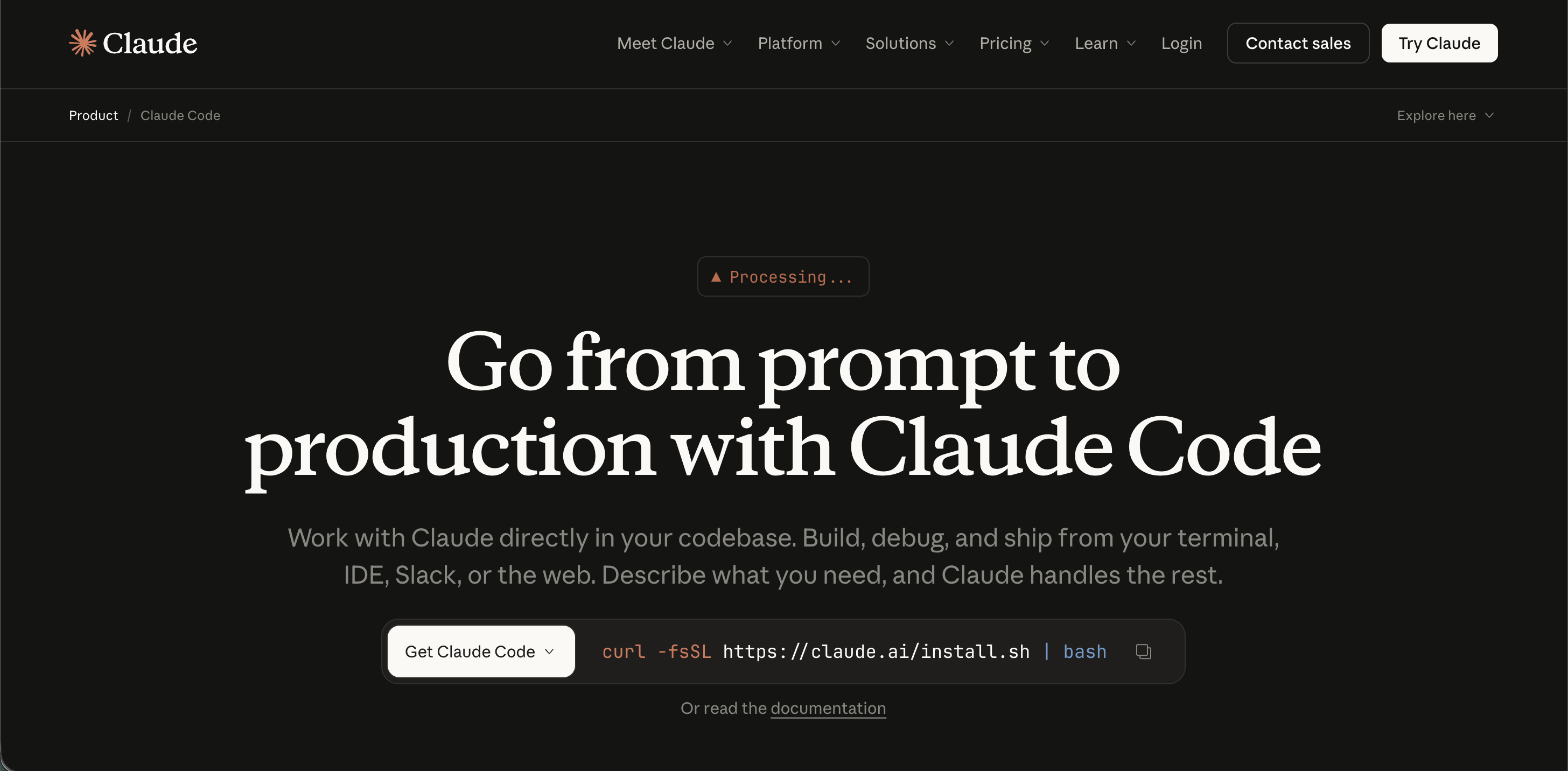
What’s important—and often misunderstood—is that Claude Code is more flexible than Cursor alone, but that flexibility comes with a tradeoff: you need a bit more engineering judgment. It’s not magic. It’s leverage.
What it’s actually good at
Claude Code shines in places traditional tools struggle:
- Large, messy, legacy codebases
- Cross-file refactors
- Architectural rewrites
- Replacing brittle systems with simpler ones
- Incrementally modernizing without a full rewrite
We’re now talking about re-architecting million-line legacy platforms, not just building weekend hacks and MVPs like 1H 2025.
“With the last model in the last two months, you can take a million-line existing SaaS platform with a complex data structure, plug the whole thing into Claude Code, and within a few weeks rebuild the entire architecture.”
That statement became true with Opus 4.5. Earlier models were impressive. This one crossed a threshold.
The Speed Difference Is Absurd
This is where it stops being incremental and starts being discontinuous.
“We’re getting through about 15 completed user stories per day. A very deep project, like building an entire AI-driven topic generation system, took 2 days, whereas that would have taken a month under the old agile model.”
Fifteen user stories per day isn’t a productivity improvement. It’s a different operating system.
On Pulse, that speed meant we could:
- Re-architect ingestion pipelines without fear
- Test multiple SEO strategies in parallel
- Throw away code that didn’t work without sunk-cost anxiety
Deep projects that used to dominate a quarter now fit into a long weekend.
What the Real-World Stack Actually Looks Like
Most teams doing this seriously are converging on something boring and effective:
- Supabase for the database
- Vercel for deployment
- Tailwind CSS for UI consistency
Claude Code is excellent at reasoning about data models, migrations, and API contracts. It’s less magical at pixel-perfect frontend polish—but that’s intentional. You want the system to work before it looks perfect.
Some teams are layering in workflow automation with N8N, letting Claude help wire together internal processes, data syncs, and background jobs without spinning up heavy custom infrastructure.
This is where AI stops being “coding help” and starts being an engineering multiplier.
GitHub Copilot: Still Useful, Just Not the Rebuild Tool
GitHub Copilot hasn’t gone away. It’s still extremely useful—just for a different job.
Copilot is best thought of as AI-assisted typing:
- Inline suggestions
- Small refactors
- Filling out repetitive patterns
- Enhancing existing functions
If Claude Code is your systems thinker, Copilot is your muscle memory.
For teams working inside existing proprietary codebases—especially in higher-security environments—Copilot is often the safer default. It integrates cleanly into GitHub workflows and feels invisible once it’s on.
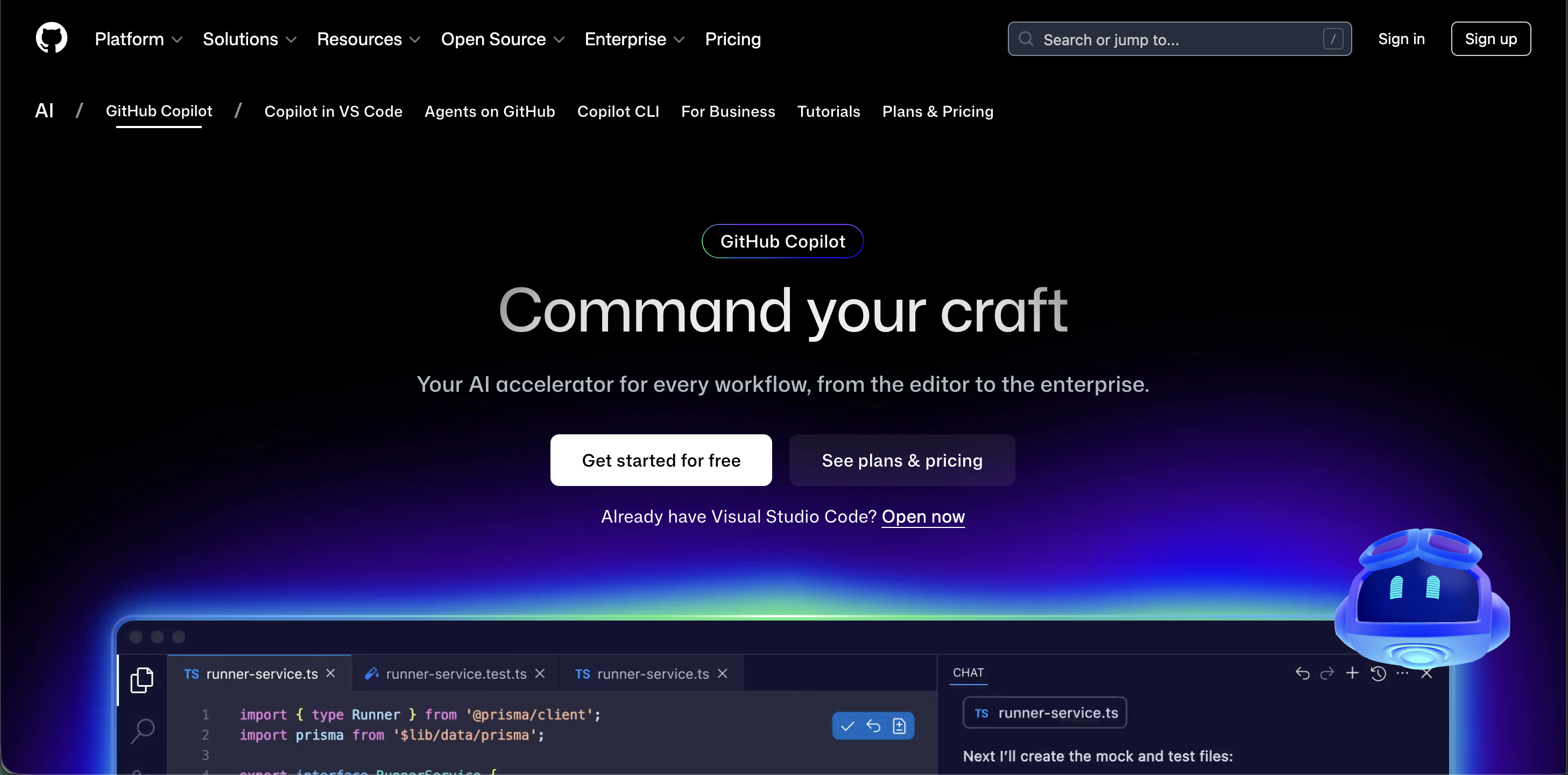
But for founders thinking about rebuilding—not just maintaining—Copilot alone usually isn’t enough.
- Copilot = day-to-day acceleration
- Claude Code = architectural leverage
They work best together, but they solve different problems.
AI Design in 2026: Design Is No Longer the Bottleneck
If coding speed has 10×’d, design speed has maybe 20×’d.
And that changes everything.
Google AI Studio quietly won mockups
This surprised a lot of people, including Sharad, who’s spent years deep in design workflows.
Google AI Studio has become the fastest way to go from idea → usable design—and, importantly, it consistently outperforms Figma Make AI for early-stage mockups.
“Just before this call, in 15 minutes, I created a design which is pretty much ready to hand off to my UI person. Something that would have taken days or weeks can be done in an hour now.”
That eliminates:
- Endless designer back-and-forth
- Over-engineered wireframes
- Debates without user feedback
Instead, you generate options.
“We can get 10 or 15 designs which we can put in front of users and get much more real-time feedback.”
That’s a fundamentally better design loop.
Where Figma AI still fits
Figma AI shines later:
- Generating polished variations
- Production-quality redesigns
- Final visual consistency
Some teams now combine Figma AI with tools like Locify or Anima to generate real HTML/CSS from designs. Others pull from component libraries like Reloom, which offers thousands of prebuilt front-end components compatible with modern workflows.
Designers aren’t gone. They’re just no longer the bottleneck.
Rapid Prototyping Still Has a Place
Not everything needs to start in Claude Code.
Tools like Lovable, Replit, and Bolt are excellent for:
- Quick proof-of-concepts
- Testing an idea in hours
- Getting stakeholder buy-in
Many founders prototype there, then rebuild “for real” in Claude once the shape is clear.
Speed first. Structure second.
Internal Tools: The Fastest ROI You’ll Ever Get
The smartest founders I know aren’t starting with customer-facing rewrites.
They’re starting with internal pain.
Sales commissions.
Onboarding flows.
Reporting dashboards.
Operational glue no one owns.
Chris built six internal apps this way—including a commissions system—saving ~$20k and replacing a month-long consulting project with a founder-built tool.
Badri’s team is using Claude Code for vertical slices like onboarding platforms—contained systems that would normally get deprioritized.
One founder summed it up bluntly:
“Your team is not progressive enough to figure out how to solve problems, so I've just been hacking away and building on Claude Code. I've never had a developer in any of my Claude Code projects.”
That’s not a knock on teams. It’s just how incentives work.
AI lets founders close those gaps themselves.
Security: The Thing Everyone Worries About (and Then Moves On)
Yes, security matters.
No, giving Claude Code access to your GitHub repo does not make your code public domain.
That’s the real-world consensus.
Most teams follow a few simple rules:
- Claude opens PRs; humans merge
- Protected branches stay protected
- No secrets pasted into prompts
- Senior developers review critical changes
For highly sensitive projects, offline or local AI coding environments exist. And for some proprietary environments, Copilot remains the preferred tool.
The key point: this is manageable risk, not reckless behavior.
The Founder Advantage
This is the part I care about most.
If you’re a founder and you don’t personally experiment with AI coding and AI design, you’re leaving leverage on the table.
Not because you should replace your team.
But because you see different problems than your team does.
AI tools let you act on those insights directly.
You don’t need permission.
You don’t need a sprint.
You just build.
That’s how Pulse started. That’s why it exists.
A Simple Starting Path
If you’re overwhelmed, start here:
- Pick one internal tool that annoys you weekly
- Build it with Claude Code + Supabase
- Generate mockups in Google AI Studio
- Deploy it somewhere boring and functional
- Let your team use it
Once you’ve done that, rebuilding parts of your SaaS product won’t feel intimidating. It’ll feel obvious.
The Bigger Picture
This isn’t about replacing developers. It’s about collapsing cycles.
Founders move faster.
Teams unblock themselves.
Products evolve continuously instead of in rewrites.
The SaaS companies that win the next decade won’t have the biggest teams—they’ll have the shortest feedback loops.
AI coding and AI design aren’t future tools anymore. They’re present leverage.
And if you’re willing to get your hands a little dirty again, they might be the most fun part of building software you’ve experienced in years.